The Chiltern Hills offer some of the most stunning landscapes in the country. Living in such a picturesque area comes with a catch, though. The local weather can be absolutely brutal on your property. From gusty winds funnelling through the valleys to driving rain and damp, shaded spots, your home takes a constant battering from the elements year-round.
If you have started noticing a few slipped tiles, damp patches on your ceiling, or overflowing gutters, you aren’t alone. These are incredibly common issues across our region. We have put together this guide to explain exactly how weather in the Chiltern Hills impacts roofs and what maintenance you need to stay warm, dry, and secure.
As local roofers at Kingsway Roofing & Building, we see these exact problems every single week. Our team is always happy to share practical, homeowner-friendly advice to help you catch small faults before they turn into massive repair bills.
Why Chiltern hills weather is tougher on roofs than you might think

We get a highly specific mix of weather patterns around Buckinghamshire and the Chilterns. Homes built on higher ground face severe wind exposure, especially during winter squalls. Meanwhile, properties nestled in the valleys often deal with damp, shaded microclimates that encourage persistent moss and algae growth.
Heavy autumn leaf drop from the surrounding woodlands easily clogs up drainage systems. When you add the classic British cold snaps into the mix, you get a freeze-thaw effect. Water seeps into tiny cracks during the day, freezes at night, and expands, literally pushing your roof apart.
Common types of Chiltern Hills roof weather damage (and what it looks like)
Spotting damage early saves you time, stress, and money. Here are the most frequent issues we repair across the region.
Wind damage (slipped tiles, lifted ridge tiles, damaged roof flashing)
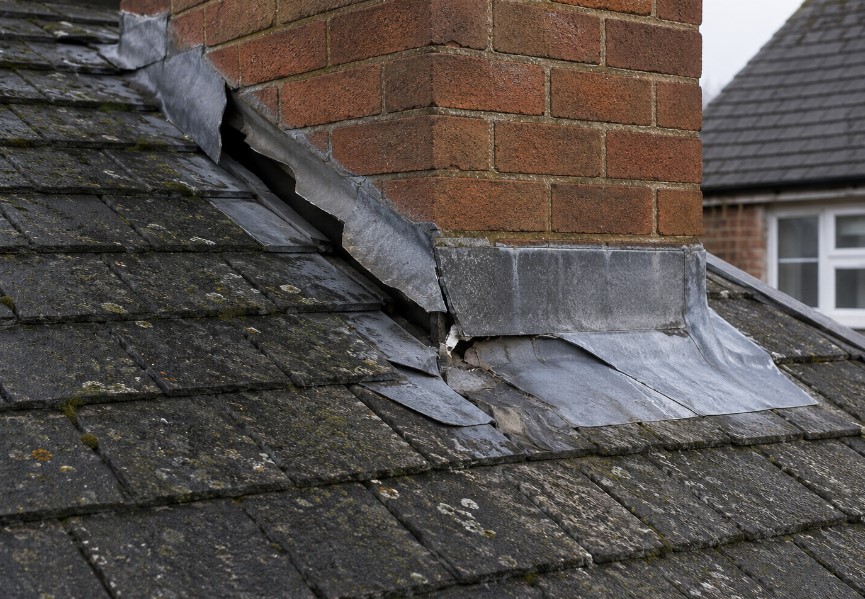
High winds can easily catch the edges of loose tiles and rip them right off your property. The clearest sign is finding pieces of tile sitting on your lawn or driveway. You might also notice visible gaps on the roof, hear rattling noises during a storm, or see that the ridge line looks slightly wavy. Missing tiles expose your delicate roof underlay to water ingress, so this needs sorting quickly.
Heavy rain and leaks (the “small drip, big problem” situation)
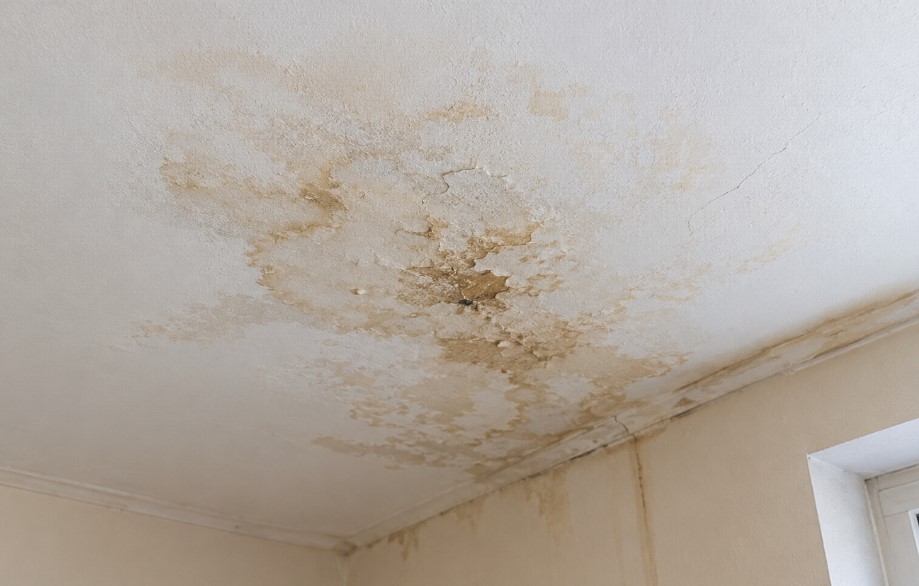
Water is incredibly sneaky. It rarely drops straight down from the entry point, meaning a leak can travel along rafters before showing up on your bedroom ceiling. Look out for faint brown staining on your ceilings, damp patches in your loft insulation, or musty, mouldy smells upstairs.
Freeze–thaw and cracking (tiles, pointing, mortar, chimneys)
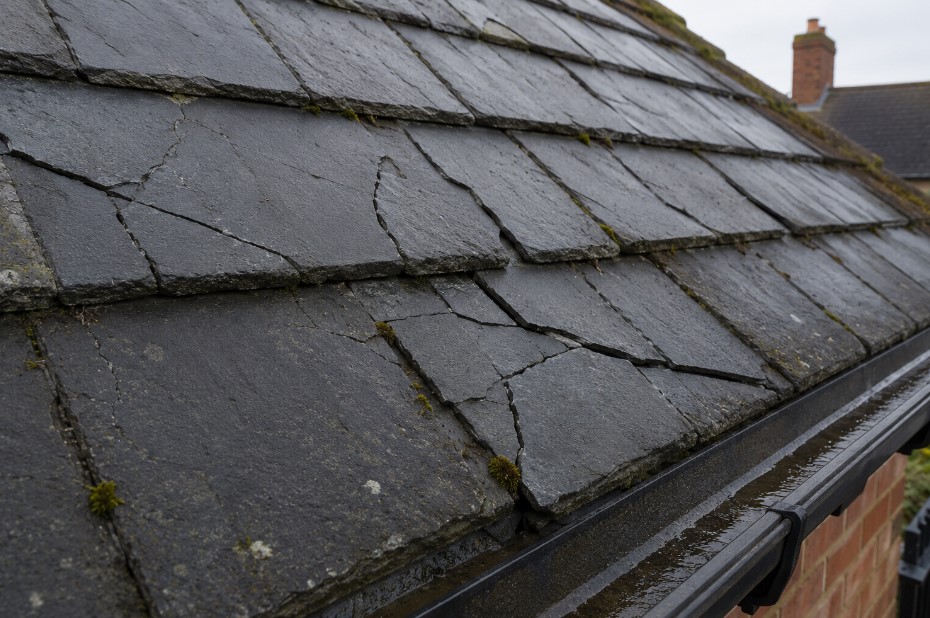
Cold snaps cause significant structural stress. If mortar absorbs water and then freezes, it turns crumbly and granular. Keep an eye out for sandy debris rolling down your roof, cracks appearing around chimney stacks, or the faces of your clay tiles flaking off completely.
Blocked gutters and overflowing water
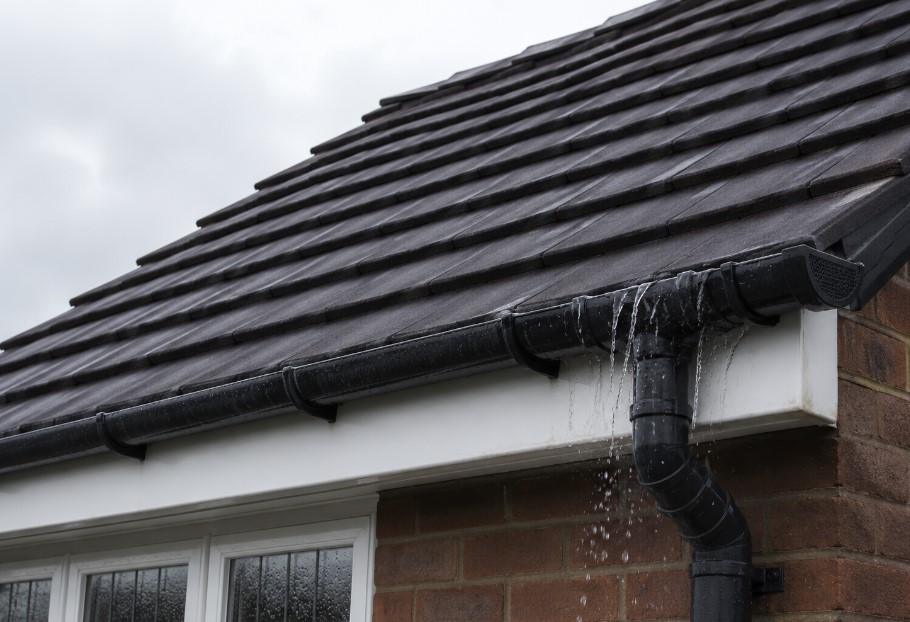
When dead leaves and twigs wash into your gutters, they form a solid blockage. During the next downpour, rainwater has nowhere to go but over the edge. If your gutters are doing their best impression of a waterfall, or you notice dark streaks of damp down your exterior brickwork, it is time for a clear-out. If your current system is failing, our team installs highly durable, weather-resistant uPVC guttering to fix the problem permanently.
Moss, algae and lichen build-up
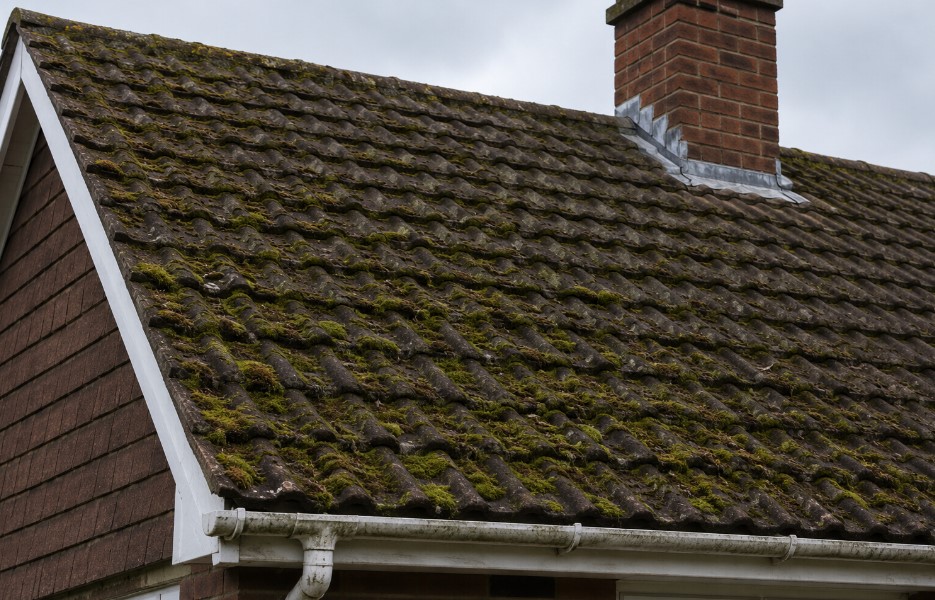
Moss thrives in the damp, shaded areas common around the Chilterns. A small amount of green fuzz is largely cosmetic, but thick cushions of moss act like sponges. They hold moisture against your tiles, increase the weight on your roof timbers, and eventually fall into your gutters to cause blockages. If things are getting out of hand, safe and professional roof moss removal Buckinghamshire homeowners can rely on is highly recommended to protect the roofing materials.
Flat roof issues after storms (ponding, splits, edge lifting)
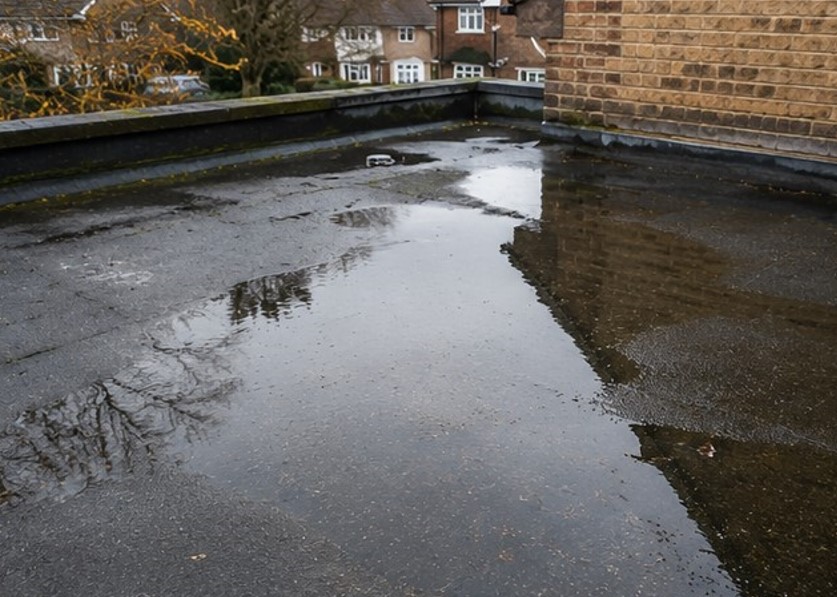
Flat roofs take a real beating from heavy rainfall and temperature fluctuations. Look out for standing water (ponding) that doesn’t drain away after a few days. You should also check for bubbling, splits in the felt, or damp patches appearing on the ceiling of your extension or garage.
Seasonal roof maintenance in the Chiltern Hills (a simple, sensible calendar)
A little bit of planning goes a long way. Following a basic maintenance schedule helps extend the lifespan of your roof significantly.
Spring check (post-winter tidy-up)
Once the worst of the winter frost has passed, grab a pair of binoculars and do a visual check from ground level. Look for slipped tiles, missing leadwork, and mortar deterioration. This is also a great time to ensure your gutters and downpipes are clear of winter debris.
Summer check (the best time to patch up roofing materials properly)
Summer provides the dry, stable weather needed for major works. If you identified any missing mortar, damaged chimney stacks, or flat roof tears during spring, book your repairs now. It is also a smart time to check your loft for proper ventilation to prevent condensation build-up.
Autumn check (the big one around here)
Autumn is the most critical time for Chiltern Hills roof maintenance. The falling leaves will quickly fill valleys, gutters, and hoppers. Clear them out thoroughly. You should also prep for the incoming winter storms by ensuring all loose components, flashings, and ridge tiles are completely secure.
Winter watch-outs (what to do during bad weather)
During winter, your main job is simply to monitor the situation. Check your loft space for daylight showing through the tiles or damp patches after a heavy storm. Safety must always come first. Please don’t try to climb onto an icy or wet roof yourself.
DIY checks you can do safely (and when to call us)
You can handle plenty of basic health checks without ever stepping foot on a ladder.
Walk around your property and use binoculars to inspect the roofline. Go up into your loft during the day and turn the lights off; if you see chinks of daylight or feel wet timbers, you have a gap. Watch your gutters during a heavy downpour to see if water is flowing correctly or overflowing at the corners.
When should you call a professional? If you have active water dripping into your home, visible sagging in the roofline, significant tile loss, deep chimney cracks, or repeated gutter overflows, you need expert help. For reliable Chiltern Hills roof services, a professional inspection is the safest and most cost-effective route.
How our roofing services help: inspections, repairs and preventative care
At Kingsway Roofing & Building, we proudly serve North London, Buckinghamshire, and the surrounding areas. Whether you need minor roof repairs, chimney repairs, intricate leadwork, or a completely new roof installation, our experienced team brings a wealth of expertise to every single project.
We offer flat roof solutions, uPVC guttering installations, and comprehensive roof maintenance. We are fully licensed and insured, and all our work is guaranteed for your total peace of mind. Because we know roofing problems are stressful, we provide a rapid response, a clean and tidy service, and a free no-obligation estimate with no callout charge. We believe in transparent, competitive pricing to give you the best value possible.
Frequently asked questions
How often should I get my roof checked to avoid roof repair?
We recommend a quick visual check twice a year (spring and autumn). However, getting a professional inspection every three to five years is the best way to catch hidden problems before they leak.
Is moss on my roof always a problem?
Not always. A light covering is completely normal in our area. It only becomes a structural problem when it forms thick, wet clumps that block drainage paths, lift tiles, or damage the mortar.
What is the safest way to deal with roof moss removal in Buckinghamshire?
Always use a professional service. Aggressive DIY scraping or using high-pressure jet washers can strip the protective coating off your tiles and force water straight into your loft space.
Why do my gutters overflow even after I have cleared them?
If your gutters are clean but still overflowing, the brackets might have sagged, ruining the protective slope (the “fall”) that guides water to the downpipe. Alternatively, your downpipe itself might be blocked further down.
Can wind lift roof tiles without breaking them?
Absolutely. Strong gusts create a vacuum effect that can suck tiles upward. Even if they fall back into place without shattering, they might not sit flush, leaving a small gap for rain to blow inside.
What are the early signs of a roof leak?
Look for peeling paint on your ceiling, faint brown water stains, damp insulation in your loft, or a noticeable musty smell upstairs.
Are flat roofs more vulnerable to heavy rain and cold snaps?
Yes, because water doesn’t drain off them as quickly as pitched roofs. Standing water can freeze, expand, and slowly tear the protective felt or rubber roofing membranes over time.
Do you offer free quotes and what areas do you cover?
Yes, we provide absolutely free, no-obligation estimates. We are based in Buckinghamshire and cover Chesham, the wider Chilterns, North London, and all surrounding areas.
Let’s get your roof ready for whatever the weather brings — rely on the high quality workmanship of our expert roofers in High Wycombe.
If you are not entirely sure whether that bit of moss, overflowing gutter, or missing tile is something to watch or something to fix right now, we will happily take a look. Small issues are much cheaper to resolve today than they are after a major winter storm.
Reach out to the team at Kingsway Roofing & Building for some honest, friendly advice. Give us a call or fill out the contact form on our website to arrange your free, no-obligation estimate today.
