Quick answer: A roofing emergency is any situation where water is actively entering your home, structural damage is visible, or electrics are at risk. If you're facing any of these in Chesham, stop reading and call a roofer now. If you're unsure, this guide walks you through exactly what to look for and what to do safely.
Rain hammering the windows at 11pm is never the right time to discover a leak, but somehow, that's exactly when it tends to happen. If you've found this page in a mild panic, you're in the right place. Below, we'll walk you through what actually counts as an emergency roof repair in Chesham, what you can do safely before a roofer arrives, and when to pick up the phone.
What counts as a roof emergency (and what can wait a bit)
Not every roofing problem needs an immediate call-out, but some absolutely do. Here's a straightforward way to split them:
Act now, these are likely emergencies:
- Active water coming through your ceiling or walls
- Daylight visible from your loft (a hole or displaced section of roof covering)
- Storm damage, missing or dislodged tiles, slipped slates, displaced ridge tiles
- A sagging roofline or any sign of structural movement
- Chimney damage where masonry or tiles have fallen
- Major pooling on a flat roof combined with water ingress inside
- Water near electrics, if this is the case, switch off the relevant circuit immediately and contact an electrician before touching anything
Book soon, but it's not the end of the world tonight:
- A single slipped tile with no visible leak (still important, don't leave it)
- Old water staining that hasn't changed recently
- Minor gutter drips (unless they're causing damp inside)
- Moss or general maintenance issues (though if they're blocking drainage, bump them up the priority list)
If you're unsure which category your situation falls into, it's always better to ask. Roofing problems rarely improve on their own.
Common causes of sudden leaks in Chesham homes
Chesham's mix of older terraced and semi-detached properties means a fair variety of roof types, pitched tiles, slates, flat felt or GRP extensions, and chimney stacks aplenty. The most common culprits we come across include:
- Wind-lifted or cracked tiles and slates, exposed roof pitches take a battering in high winds
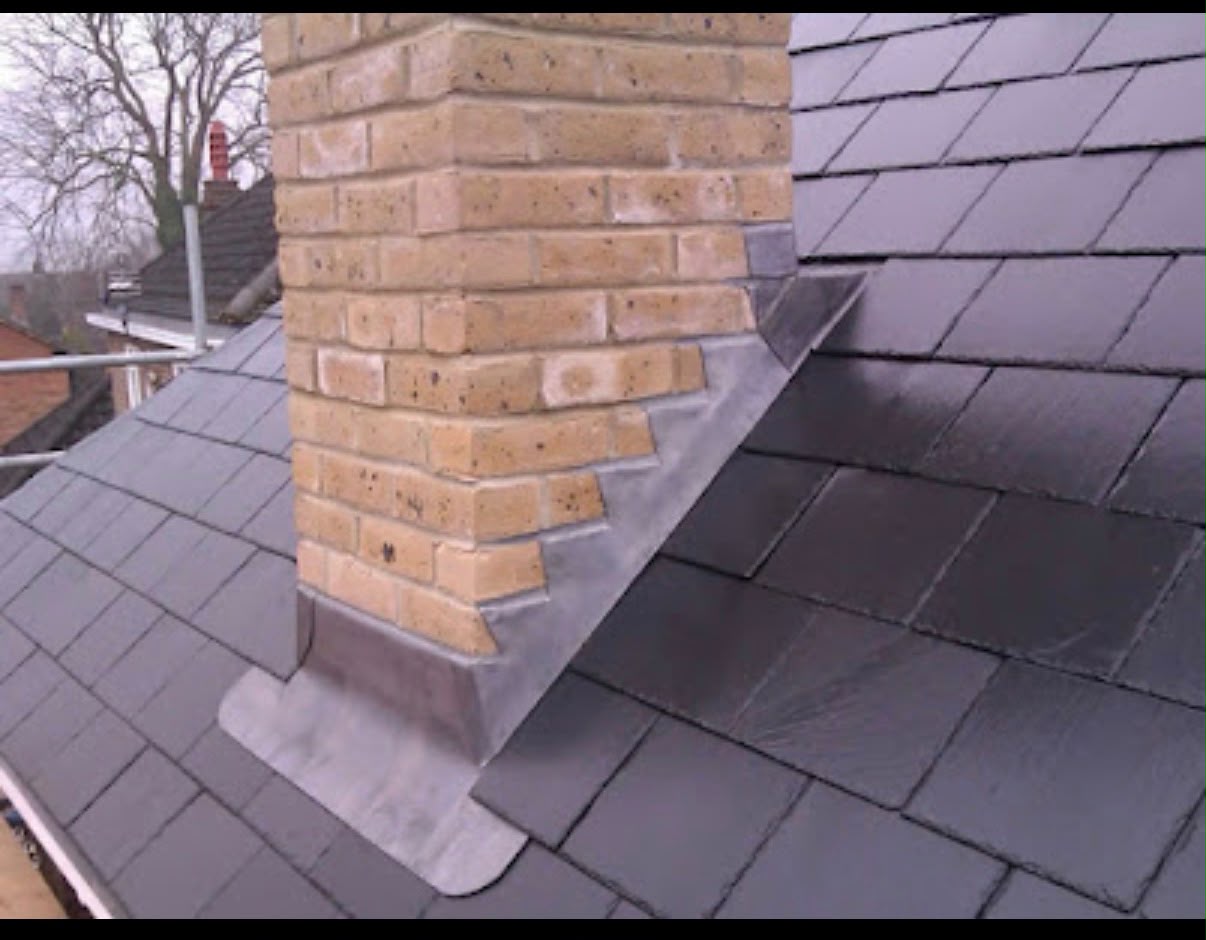
- Failing flashings and leadwork, around chimneys, valleys, and abutments, the lead or flashing mortar can crack and lift over time
- Blocked or misaligned gutters and downpipes, water has to go somewhere, and eventually it finds its way in
- Flat roof membrane splits or failed seams, particularly common on older extensions after temperature extremes
- Damaged ridge or verge mortar, traditional mortar pointing deteriorates over years and can fail suddenly after frost
- Skylight and roof window seals, often overlooked until they start weeping
What to do immediately (without making it worse)
This is the checklist you need right now. Keep it simple and stay safe.
- Stay safe first. Don't climb onto the roof in bad weather, full stop. Even in good conditions, leave roof access to a professional. Inside, watch your footing in the loft, it's easy to step through a ceiling in a hurry.
- Protect your belongings. Move furniture, electronics, and anything valuable away from the affected area. Lay down towels and use buckets to catch drips.
- Deal with a bulging ceiling carefully. If the ceiling plaster is bulging and holding water, you can poke a small hole at the lowest point to relieve it in a controlled way, but only if you're confident the water above isn't near any electrics. If in doubt, leave it and wait for a roofer.
- Check around electrics. Water and wiring don't mix. If the leak is anywhere near light fittings or sockets, switch off the circuit at the fuse board and keep clear.
- Temporary weatherproofing. If it's safe to do so, and conditions allow, a heavy-duty tarpaulin secured over the affected area can reduce further ingress. This is a short-term measure only, not a fix, and should only be attempted from a ladder in calm weather by someone confident doing so.
- Document everything. Take photos and videos before cleaning up. You'll thank yourself later when speaking to your insurer or landlord.
- Call a roofer for an urgent roof leak fix. Temporary measures buy you time, they don't solve the problem. Getting a professional out quickly prevents secondary damage like saturated insulation, rotting timbers, and mould growth.
What we do during an emergency roof repair call-out
At Kingsway Roofing & Building, we cover Chesham and the wider Buckinghamshire area and aim to respond quickly when you need us most. Here's what a typical emergency call-out looks like from our end:
- Initial assessment, we check inside (loft, ceiling, walls) and outside to understand the full picture. The entry point is often not where the water appears inside, tracking it back is part of the job.
- Locate the source, damaged or lifted tiles, split flashings, failed seams, blocked gutters; we look at the most likely causes for your roof type first.
- Make it safe and weathertight, where needed, we'll carry out temporary weatherproofing immediately to stop further water getting in.
- Talk you through your options, we'll explain what we've found, what needs doing short-term, and what the permanent fix looks like, with a clear, free, no-obligation estimate before any work begins.
- Carry out the repair, tile replacement, leadwork patching, flat roof repairs, guttering fixes, chimney re-pointing, we handle it all.
- Leave it clean and tidy, all materials and waste are removed once the job's done. We don't leave a mess behind.
A couple of things worth knowing: we charge no callout fee for coming out, all our work is insurance-backed and guaranteed, and our entire team is fully insured. We also pride ourselves on beating any genuine like-for-like quote.
Temporary repair vs permanent repair (and why it matters)
A temporary repair, tarpaulin, emergency patching, foam sealant, is exactly that: temporary. It's useful during an ongoing storm or late at night when a permanent fix isn't immediately possible, but it shouldn't be left in place for weeks.
The reason this matters: water that's already entered your roof structure continues causing damage even when the visible dripping stops. Timber rafters and joists absorb moisture and can rot. Insulation becomes saturated and loses effectiveness. Mould can develop within days in a damp loft. The longer a temporary fix is left, the more expensive the eventual permanent repair tends to be.
If you've had emergency weatherproofing done, get the permanent fix booked in as soon as possible.
How much do emergency roof repairs usually cost in Chesham?
We won't throw a random number at you here, because the honest answer is: it depends. Key factors include:
- The type of roof, pitched tiled roofs, slate roofs, and flat roofs all involve different materials and methods
- Access and height, some jobs need scaffolding, others can be reached safely from a ladder
- Extent of the damage, a couple of slipped tiles is a very different job to structural storm damage
- Materials, leadwork, specialist slate, and GRP flat roofing materials all vary in cost
- Urgency and timing, out-of-hours or same-day call-outs may carry a premium with some contractors
What we can promise is transparent pricing, a free no-obligation estimate before any work starts, and no surprises on the final invoice. Give us a call and we'll give you an honest picture.
How to reduce the chance of needing emergency repairs
Prevention isn't glamorous, but it's a lot cheaper than an emergency call-out. A few habits that genuinely help:
- Ground-level visual checks twice a year, look for missing, slipped, or cracked tiles and any visible sagging
- Keep gutters clear, especially in autumn; blocked gutters are one of the most avoidable causes of water ingress
- Check flashing around your chimney, this is one of the most common failure points on older UK properties
- Inspect flat roof outlets, leaves and debris block drainage fast
- Book a periodic roof inspection, catching small issues early is almost always cheaper than dealing with the consequences later
We offer roof inspections and maintenance alongside our full repair and installation services. See our roof repair page for more, or take a look at our flat roofs, guttering, and chimney repair services.
Frequently asked questions
What's the difference between an emergency roof repair and a standard repair?
An emergency repair addresses active damage, water coming in, structural risk, or electrics threatened, and needs to happen quickly to prevent further harm. A standard repair is planned work to fix existing issues before they get worse. Both matter; one just can't wait.
Is a leaking roof always an emergency?
Not always, but it often is. A slow drip from an old stain that hasn't changed is less urgent than water actively pouring through a ceiling. When in doubt, call a roofer, it's always better to get an assessment than to wait and find out the hard way.
Can I do an urgent roof leak fix myself?
Temporary measures like moving belongings, containing water with buckets, and documenting damage are sensible DIY steps. Anything involving actually getting on the roof, especially in wet or windy conditions, should be left to a professional. The risk isn't worth it.
How quickly can a roofer get to me in Chesham?
We offer a rapid response service across Chesham and the surrounding Buckinghamshire area. Response times depend on current demand and the time of call, but we'll always aim to get to you as quickly as possible for genuine emergencies. Call us directly for the fastest response.
Will you need scaffolding for an emergency repair?
Not always. Many emergency repairs, a few replaced tiles, minor leadwork patching, guttering fixes, can be carried out safely from a ladder. More extensive damage, particularly on taller properties or where large sections need attention, may require scaffolding. We'll let you know upfront.
What should I do if water is coming through a light fitting?
Switch off the circuit at your fuse board immediately. Don't touch the fitting or attempt to use the light. Contact an electrician before allowing power back to that area. Once it's safe, call us to sort the roof, the two issues often need to be resolved together.
Can you repair flat roofs in bad weather?
Some flat roof repairs can be carried out in light rain depending on the material and method. Others, particularly those using adhesive or heat-bonded membranes, need dry conditions to bond correctly. We'll give you an honest answer when you call, and arrange temporary weatherproofing in the meantime if needed.
Do you offer free quotes for roof repairs?
Yes, all our estimates are free and come with no obligation. We'll assess the job, explain what we've found, and give you a clear price before any work begins.
Are your repairs guaranteed?
All our work is insurance-backed and guaranteed for your peace of mind. We've been doing this for over a decade and we stand behind everything we do.
What information should I share when I call?
The more you can tell us, the better. Useful details include: where the water is appearing inside (ceiling, wall, loft), when you first noticed it, whether there's been recent storm or wind damage, and your roof type if you know it (tiles, slates, flat felt, etc.). Photos, even blurry ones, are genuinely helpful.
Get help with your roof today
If you're dealing with a leak, storm damage, or anything else that has you worried about your roof, don't sit on it. We'll talk you through what to do next, no pressure, no jargon, and no callout charge.